Discover all our orchids: fresh from our nursery and carefully selected for months of flowering pleasure. Delivered straight to your home, ensuring you receive top quality.
Spaar voor Kolibri cadeaus bij elke aankoop! iIn plantenmand
Showing the single result
Scented orchids
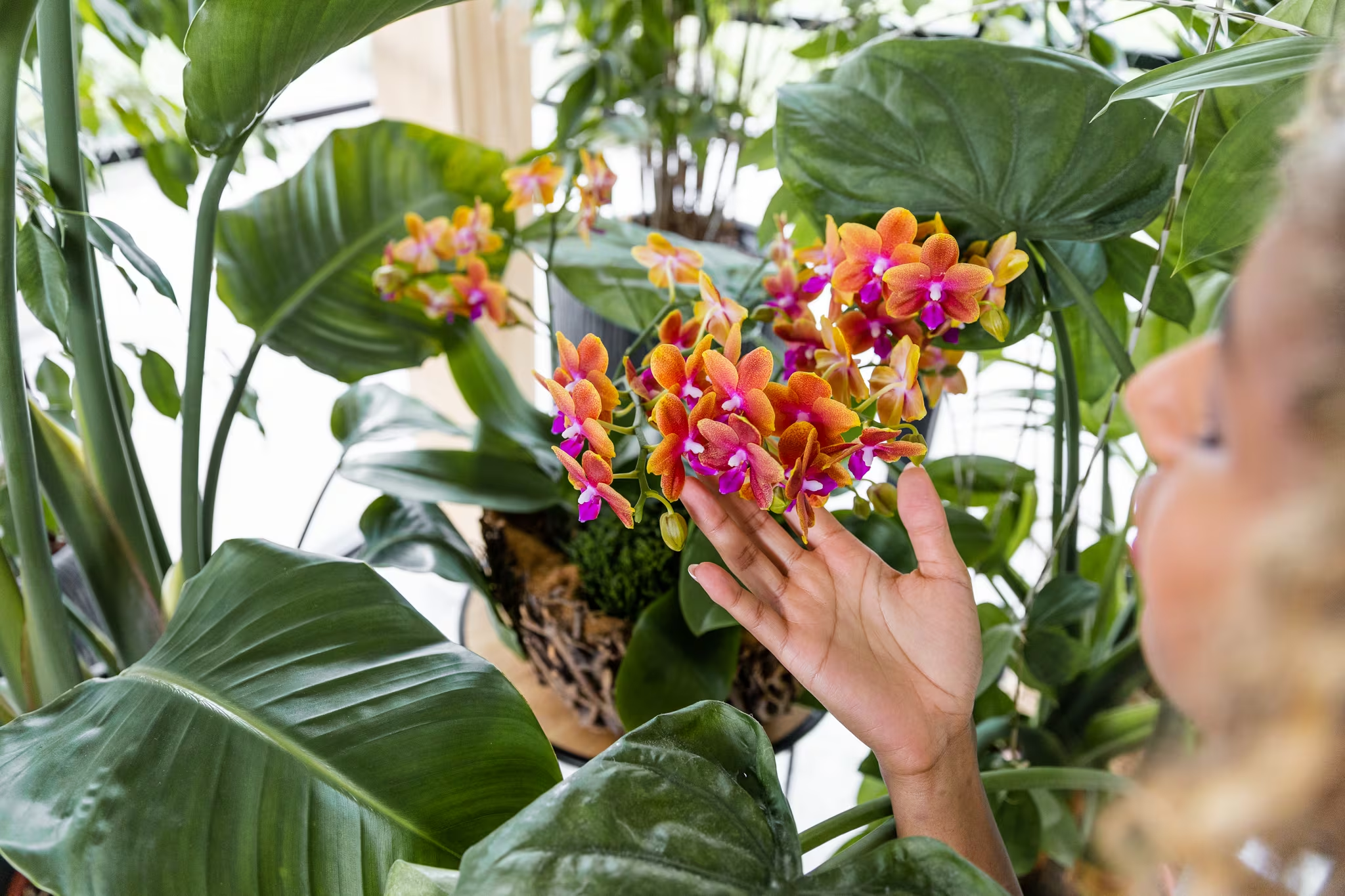
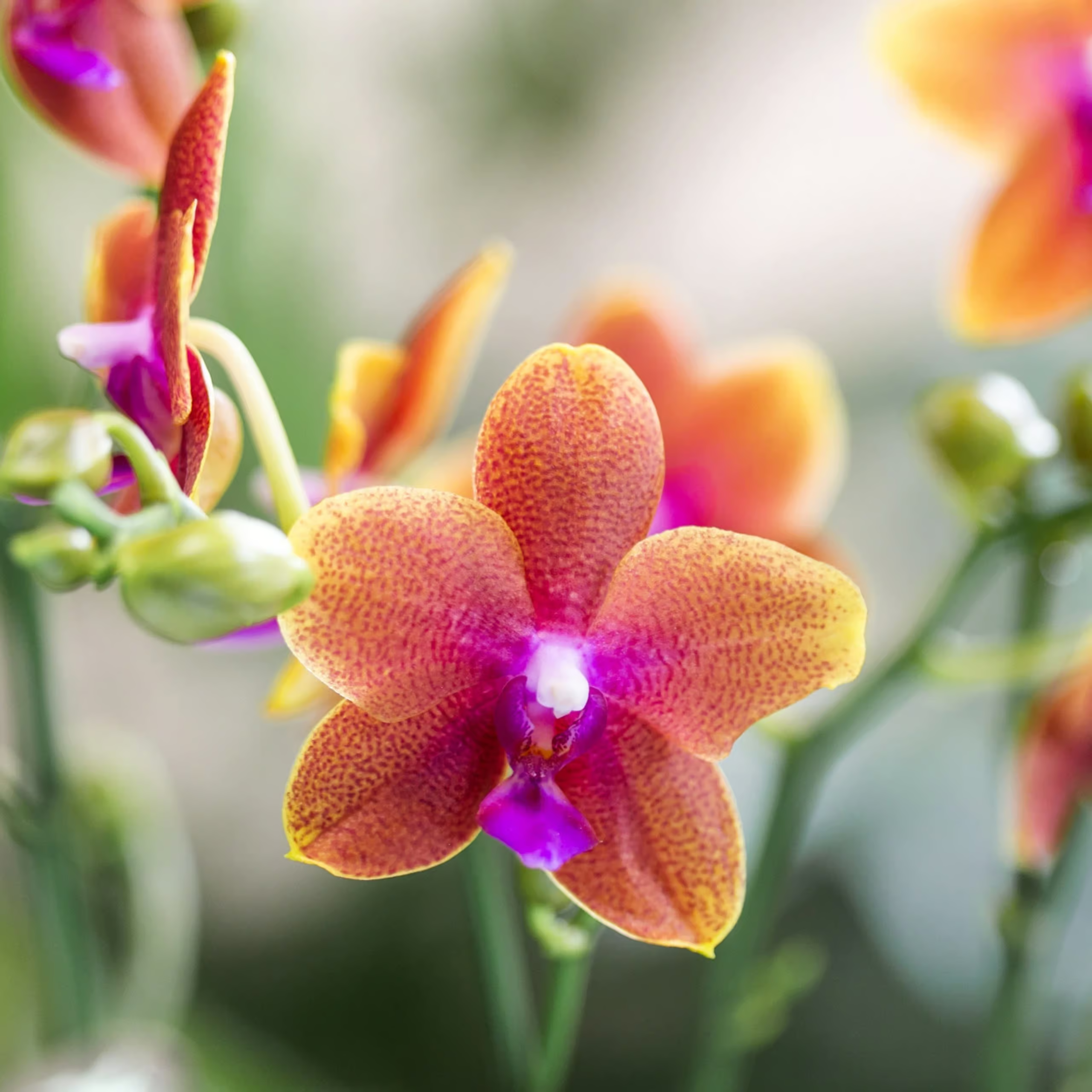
Scented orchids fall under the Phalaenopsis orchid, which has more than 20,000 species. A special variety that, in addition to their eye-catching flowers, gives off a delicious fragrance. The scented orchid converts carbon dioxide into oxygen at night. During this process, a natural scent is released, allowing you to enjoy a natural perfume, especially in the morning.
How do scented orchids smell and why?
But how do scented orchids smell? They give off a subtle, fresh-sweet fragrance that they spread around themselves. Our cultivation expert explains that everything in nature looks for a way to reproduce. Some orchids therefore attract pollinators, such as insects and hummingbirds, through their bright flower colors or by spreading a delicious scent. Scented orchids release a natural fragrance in your home and complete the experience of nature indoors. They may not attract hummingbirds here, but they do delight us with this fragrance sensation!
How long do scented orchids bloom?
With proper care, Phalaenopsis bloom for about eight weeks. Scented orchids follow suit, and to keep them blooming as long as possible, you can use orchid drops. These enhance the optimal flowering of your scented orchid so you can enjoy it even longer.
Did you know that scented orchids can bloom again? Don't throw them away after they have lost their flowers, but trim the flower stem just above the second eye. Then place the orchid in a room with a temperature around 18 degrees. And then... after waiting four to six months, this beautiful, scented orchid will bloom again.
Ordering scented orchids
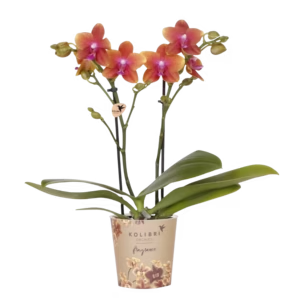
Kolibri Company loves to bring the power of nature into your home. All our products are grown with passion and love in our own nursery. Be surprised by the beautiful scented orchids and bring a wonderful, natural fragrance into your home with our Fragrance orchids.
Tip! View our most popular orchids here: